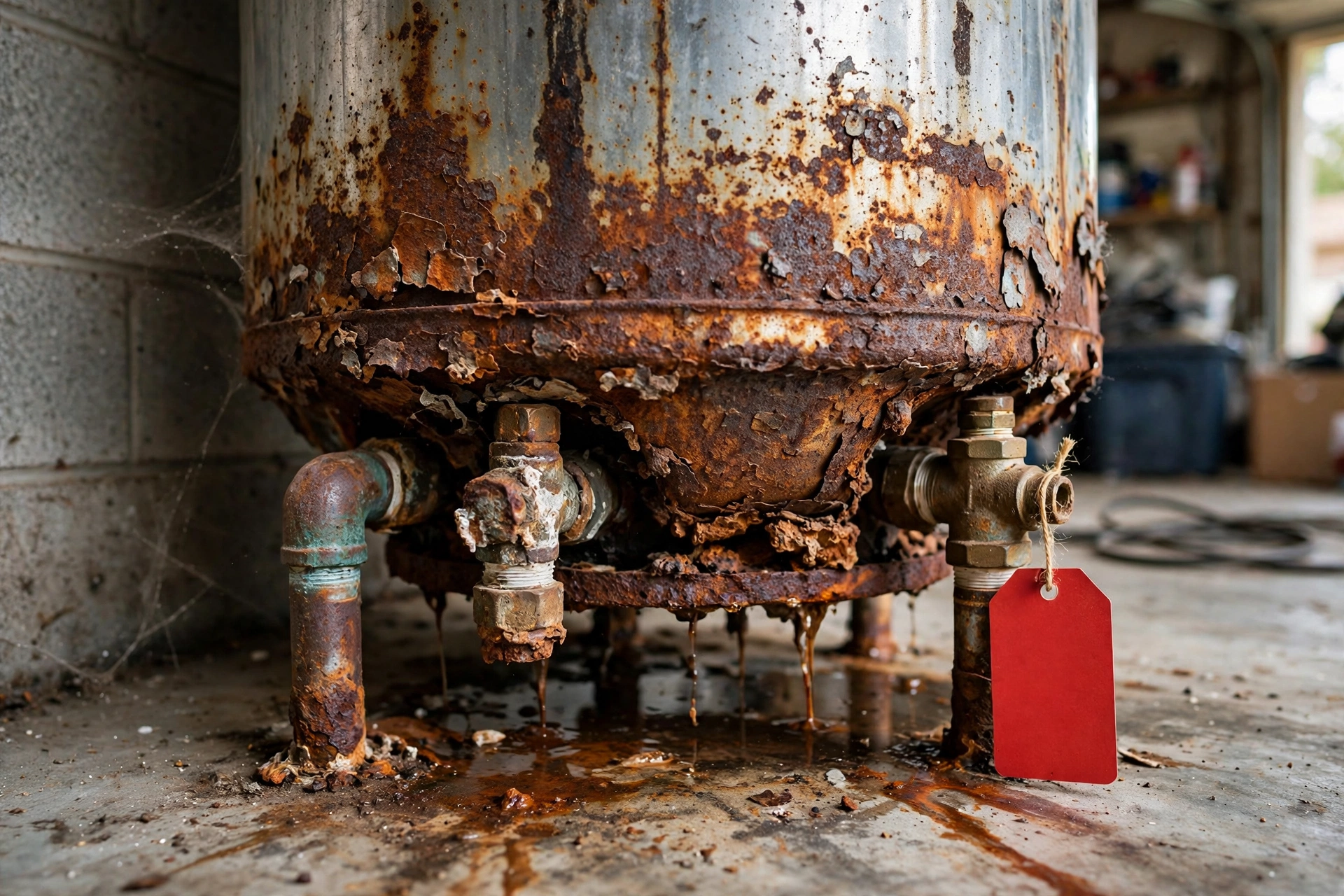
10 Signs You Need a New Water Heater in Midland
The clearest signs you need a new water heater are age over 10 years, rust-colored hot water, rumbling sedimen…
Learn moreMidland has neighborhoods full of homes built in the 60s, 70s, and 80s, and their water heater closets were designed around the compact units of that era. Modern heaters are often taller or wider, and building codes have added clearance and venting requirements since.
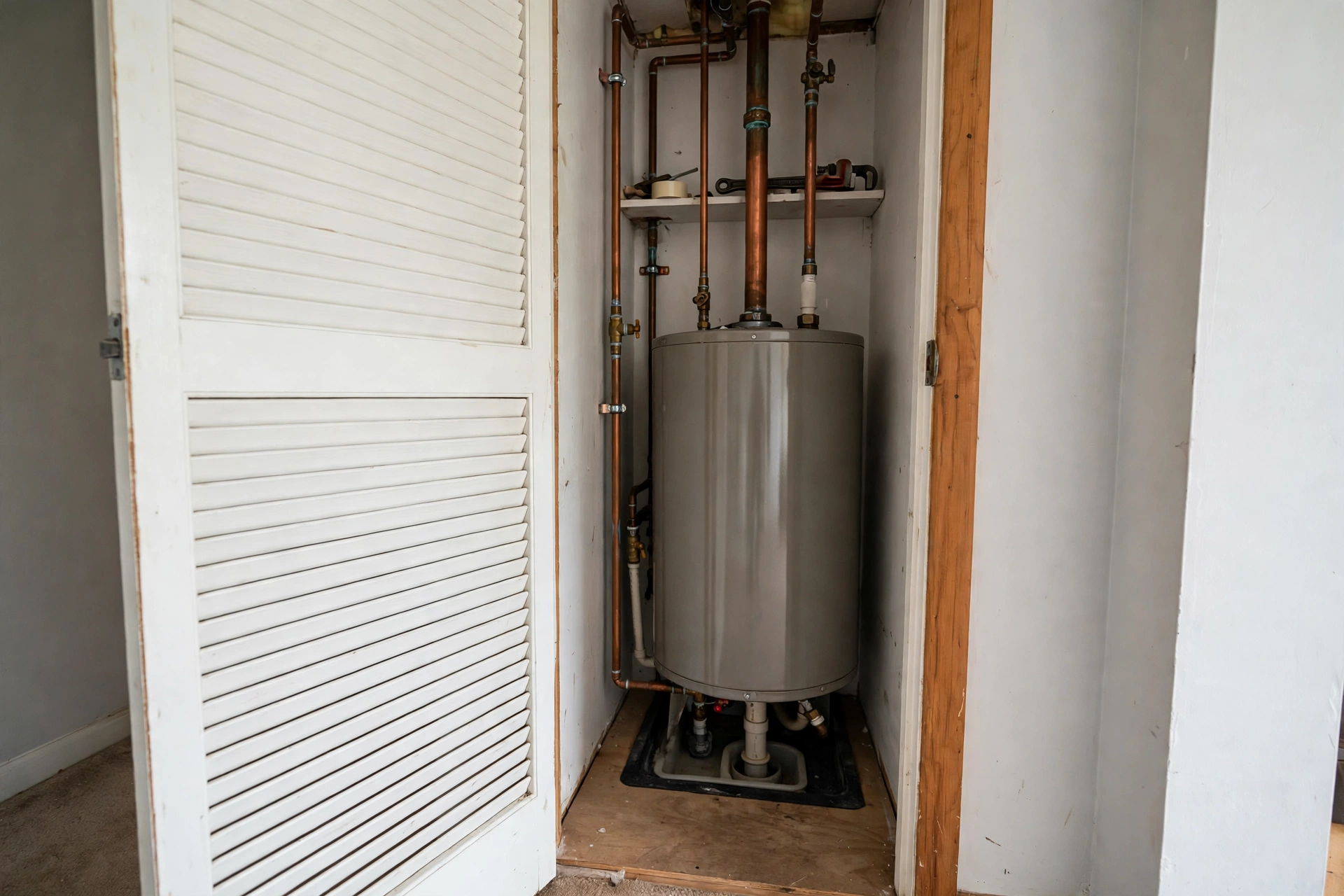
When a water heater dies in one of these closets, a simple swap is not always possible. This guide covers the common constraints, the retrofit options that solve them, and when going tankless is the smartest move. If your closet is already a tight squeeze, our tankless water heater installation page is worth a read.
This is a common job for us. A large share of our Midland replacements involve some degree of closet retrofit, so the solutions below are proven in local homes rather than theoretical. If your closet looks impossible, chances are we have solved the same puzzle on your street.
The usual problems are low headroom, narrow doorways, and no room for the required clearances around the unit. Gas heaters need combustion air, which older closets often lack, and modern venting rules may not match the existing flue.
Drain pans and drain lines are another gap. Many older closets have no pan at all, so a tank leak soaks straight into the flooring. A retrofit is the right time to add the pan and drain that should have been there from the start.
Door swing is the detail most often missed. A closet door that opens inward can block access to the front of the unit, making future service miserable. If the door is the problem, reversing the swing or switching to a louvered bifold solves both the access and the combustion air requirement in one change.

Manufacturers make short, squat tank models specifically for low-clearance installations. A 40-gallon short tank can fit where a tall 50-gallon cannot, and for smaller households the capacity difference rarely matters.
Measure the closet carefully before shopping: height, width, depth, and door swing. Bring those numbers to the conversation and the options narrow fast. Our installation team measures on every quote so the unit ordered is the unit that fits.
Watch the recovery rate when downsizing. A short 40-gallon tank with a fast recovery can outperform a tall 50-gallon with a slow one in real-world use, since recovery determines how quickly hot water returns after heavy use. Compare first-hour ratings rather than just gallons when choosing between compact models.
Gas units in closets need two things: a proper vent path for exhaust and enough combustion air to burn safely. Older closets with solid doors and no vents often fail on both counts by modern standards.
Retrofits typically add louvered doors or vent grilles for air and may reline or resize the flue. These are not cosmetic upgrades, they are safety items, and a reputable installer will not skip them. See our water heater repair page for what we check on existing gas setups.
Direct-vent models are another option for tricky closets. They pull combustion air from outside through a sealed pipe rather than from the closet air, which sidesteps the combustion air problem entirely. They cost more than standard atmospheric-vent units, but in closets where adding vents is structurally difficult, they can be the cleanest solution.
A wall-hung tankless unit takes a fraction of the floor space of a tank, which can turn an impossible closet into an easy install. The freed space is a bonus, but the real win is escaping the clearance puzzle entirely.
The tradeoff is venting and gas supply. Tankless units need larger gas lines and dedicated venting, so the closet work shifts from space to infrastructure. Our tank vs tankless comparison helps weigh that decision for Midland conditions.
Exterior-mounted tankless units dodge the closet question completely, though they trade it for freeze exposure. In Midland's mostly mild winters an exterior unit with working freeze protection does fine, but the rare hard freeze demands the precautions in our winter freeze protection guide. For many homeowners the space savings are worth the extra winter attention.
The smoothest retrofits start with an in-person look at the closet before anything is ordered. Photos help, but clearances, vent routing, and gas line sizing need eyes on site.
Ask for the plan in writing: which model, what venting changes, how combustion air is handled, and what happens to the old unit. A clear plan is the difference between a one-day job and a three-day saga.
Ask about permits and inspections up front. Midland requires permits for water heater replacements, and the inspection catches venting or gas issues that matter for safety. A contractor who pulls the permit and schedules the inspection is showing you they do the job right, while one who suggests skipping it is showing you the opposite.
Photograph the closet from several angles before the old unit comes out. Those photos help the installer plan, document the before state for the permit file, and give you a reference if any question comes up later about what was changed.
 Want Water Heater Guidance for Your Home?
Read the guide, then describe your water heater problem and we will help arrange the next step.
Usually yes, with the right model. Short tanks, compact designs, or a switch to tankless solve most clearance problems in older Midland homes.
Often. Modern codes require proper flue sizing and combustion air that older closets may lack. An installer should verify both before the swap.
For space, yes, since it hangs on the wall. But it needs upgraded gas and venting, so the total job is more involved than a tank swap.
A straightforward swap takes a day. Retrofits with venting or gas work can run two days depending on what the closet needs.
The clearest signs you need a new water heater are age over 10 years, rust-colored hot water, rumbling sedimen…
Learn more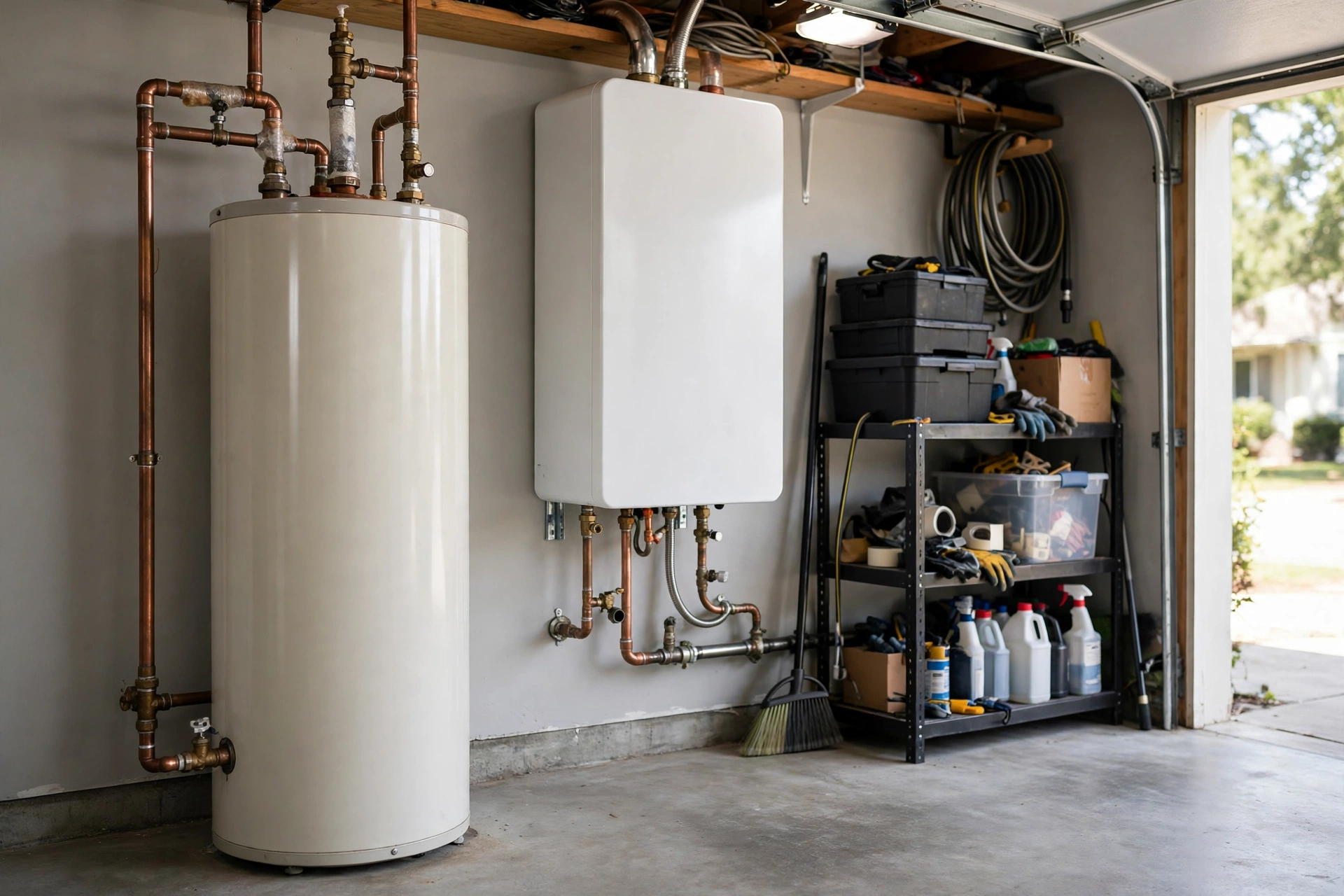
Tank water heaters cost less up front and handle Midland hard water with simple yearly flushing. Tankless unit…
Learn more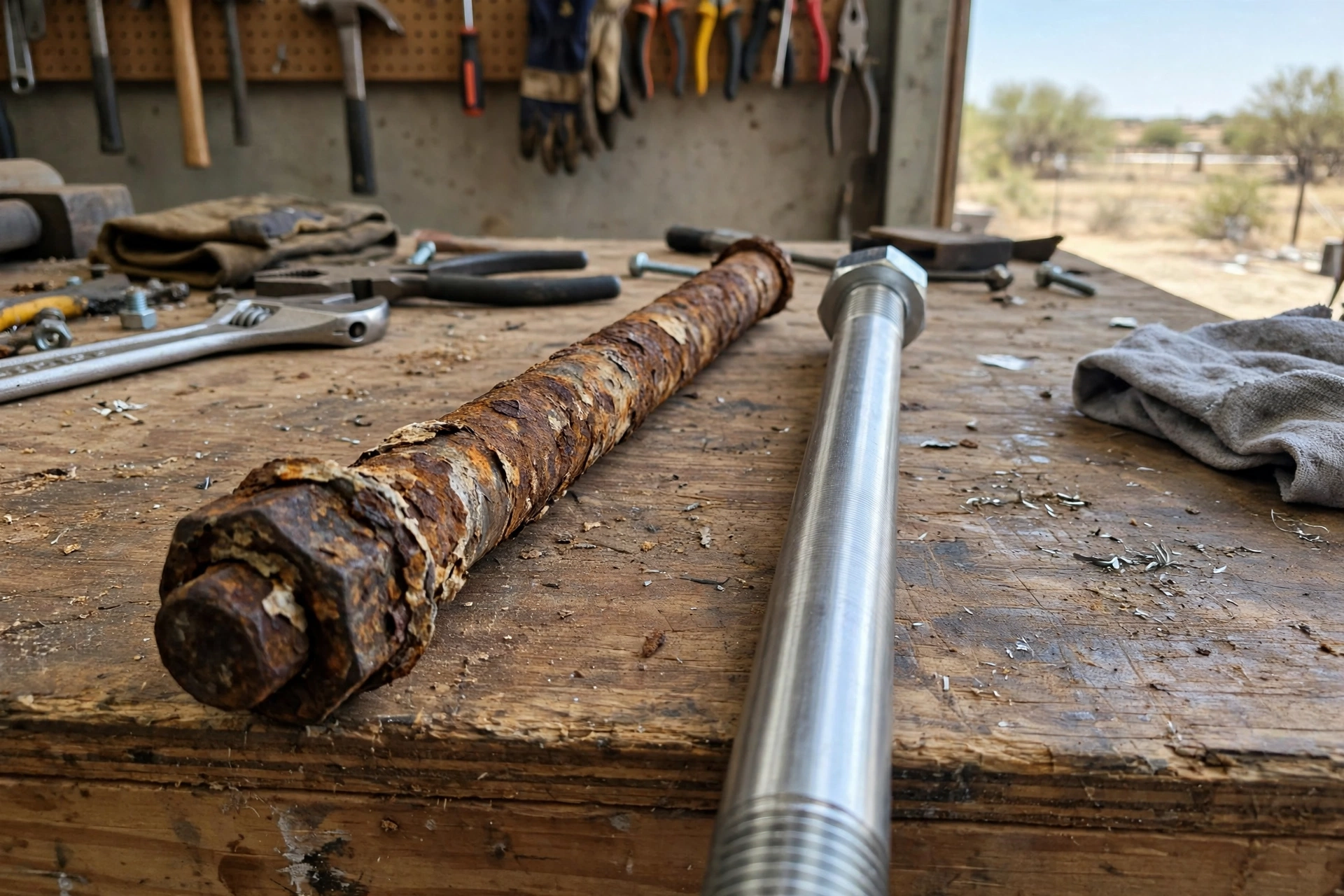
The anode rod is a sacrificial metal rod inside your water heater that corrodes so the steel tank does not. In…
Learn moreHot Water, HandledMany older Midland homes have water heater closets built for smaller, shorter units than what is sold today, which complicates replacement. A retrofit may involve a shorter tank model, rerouted venting, added combustion air, or a switch to tankless. Our water heater installation page covers how we plan replacements around tight spaces.