Water Heater Service in Greenwood
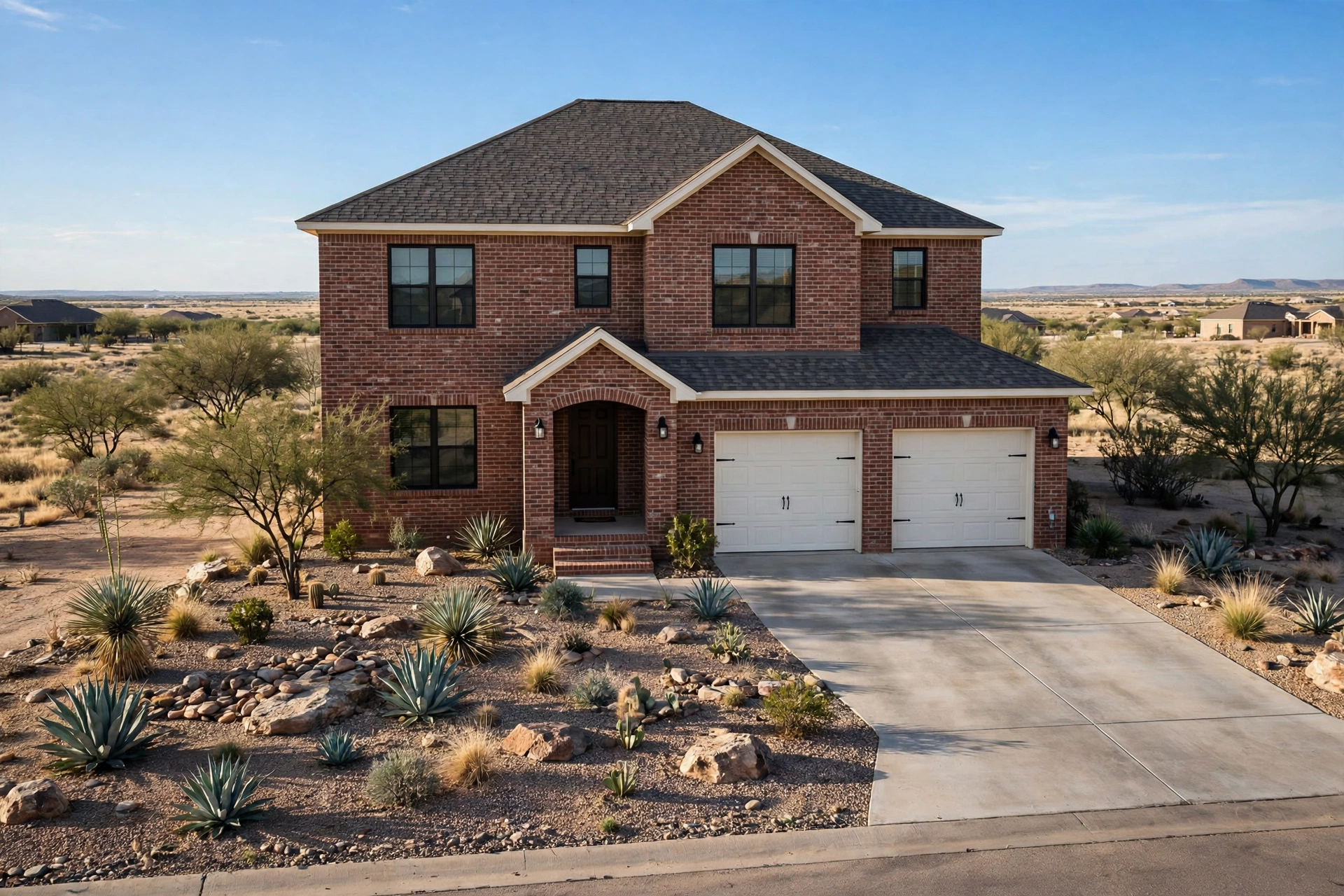
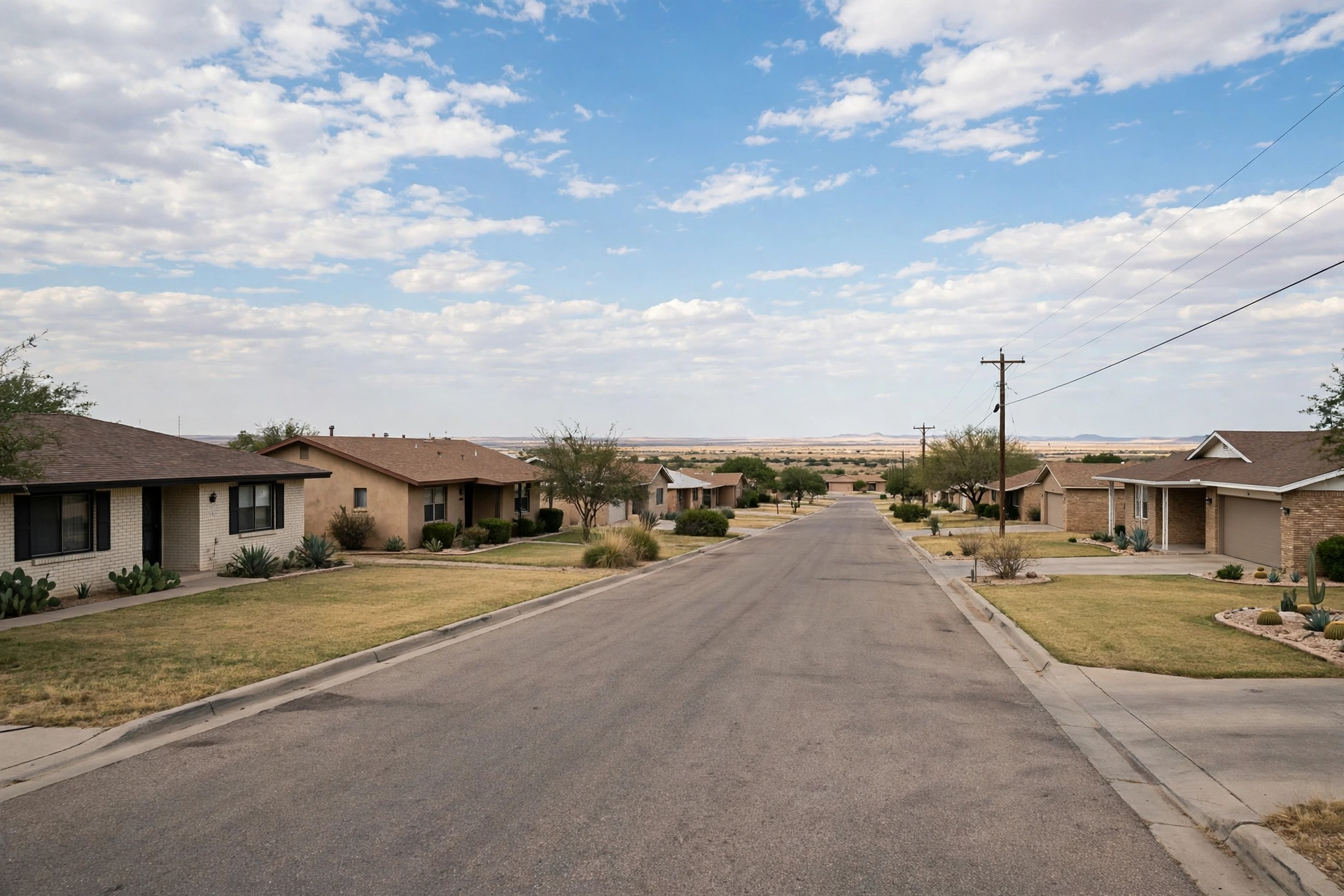
Greenwood sits east of Midland along Highway 80 and Interstate 20, an unincorporated community that has transformed from ranchland into one of the area's busiest residential growth corridors. New subdivisions have risen in waves over the past two decades, drawn by larger lots, the Greenwood Independent School District, and a straight shot into Midland for work. The result is a community where most water heaters are less than twenty years old, but a surprising number are already underperforming.
Serving Greenwood, TX 79707
That is the paradox of new construction. Builders install the water heater that meets the spec sheet at the lowest cost, which usually means a basic 40 or 50-gallon tank with minimal attention to the water it will actually heat. Greenwood's supply is the same mineral-heavy West Texas water as Midland's, and a builder-grade tank with no maintenance plan starts losing efficiency from the first year. By year six or seven, sediment has built up, recovery has slowed, and the household that has grown from two people to five is running out of hot water every morning.
The homes themselves are typically single-story brick or stucco on generous lots, with the water heater in the garage. It is a sensible location until you factor in West Texas weather: garage temperatures that soar past 110 degrees in August and plunge below freezing during winter cold snaps. Attic installs appear in some two-story plans, bringing the usual hidden-leak risk. And because many Greenwood homes sit on the edge of city services, some run on well water or rural systems with the added sediment load that brings.
Greenwood's growth also means many residents are first-time West Texas homeowners who have never dealt with 20-grain water. The learning curve is real: the rumbling tank, the white scale on every fixture, the anode rod nobody mentioned at closing. We spend a lot of time in Greenwood explaining what the water does, what maintenance actually matters, and when a repair beats a replacement.
We serve the full Greenwood area, from the subdivisions along Highway 80 to the newer developments spreading east toward the county line. Whether your builder-grade tank is fading, you want tankless, or you just need someone to explain the rumbling, request service and we will take care of it.
Greenwood's location matters for service too. Sitting east of Midland along the Highway 80 and I-20 corridor, it is close enough for fast response but far enough that some contractors treat it as an afterthought. We do not. Greenwood is core coverage for us, with the same scheduling priority as Midland itself, because a failed water heater in a Greenwood garage in February is every bit as urgent as one anywhere else.
Builder-Grade Tanks in New Subdivisions
Walk through any Greenwood subdivision built in the last fifteen years and you will find the same story in garage after garage: a basic tank water heater, installed to code minimum, flushed never. Builders do not maintain water heaters after closing, and most homeowners do not think about the tank until it complains. In Greenwood's hard water, that complaint usually arrives as rumbling sediment, slow recovery, or a cold shower that used to be hot.
The good news is that a mid-life tank can often be rescued. A thorough flush, a fresh anode rod, and a new thermostat or element can restore years of service to a unit that is simply neglected rather than dead. We assess every tank honestly: if maintenance will buy you real time, we will say so. If the tank is rusting through, we will say that too, and we will size the replacement for the household you have now.
There is a simple test for whether your builder-grade tank is worth saving: we check the tank's age, drain a sample to see how much sediment comes out, and inspect the anode rod. If the tank is under ten years, the steel is sound, and the sediment still flushes, maintenance buys you real years. If the drain runs rusty or the rod is gone and the tank is past ten, we will tell you straight that a flush is throwing good money after bad.
Related: water heater maintenance, water heater repair
Outgrowing the Tank as Families Grow
Greenwood attracts young families, and young families grow. The 40-gallon tank that served a couple fine becomes a daily frustration with three kids, a laundry pile, and everyone showering before school. The instinct is to blame the heater, but the real problem is arithmetic: the household's peak demand now exceeds what the tank can store and recover.
Upsizing to a 50-gallon high-recovery tank is the straightforward fix, and it fits the same footprint in most garages. For households that want the problem solved permanently, a tankless system sized for simultaneous showers and laundry delivers hot water without a storage limit. We will map your morning routine against real capacity numbers and recommend the option that actually fits.
Do not overlook the dishwasher and washing machine in the capacity math. A Greenwood family running the dishwasher after dinner while two people shower is drawing hot water from three points at once. A 40-gallon tank cannot sustain that for long. When we size a replacement, we count fixtures and simultaneous uses, not just bedrooms, because the real peak is what matters.
- Capacity assessments based on household size and routine
- 50-gallon high-recovery tank upgrades
- Whole-home tankless sizing and installation
- Second-tank or point-of-use options for distant bathrooms
Garage Installs and West Texas Temperature Swings
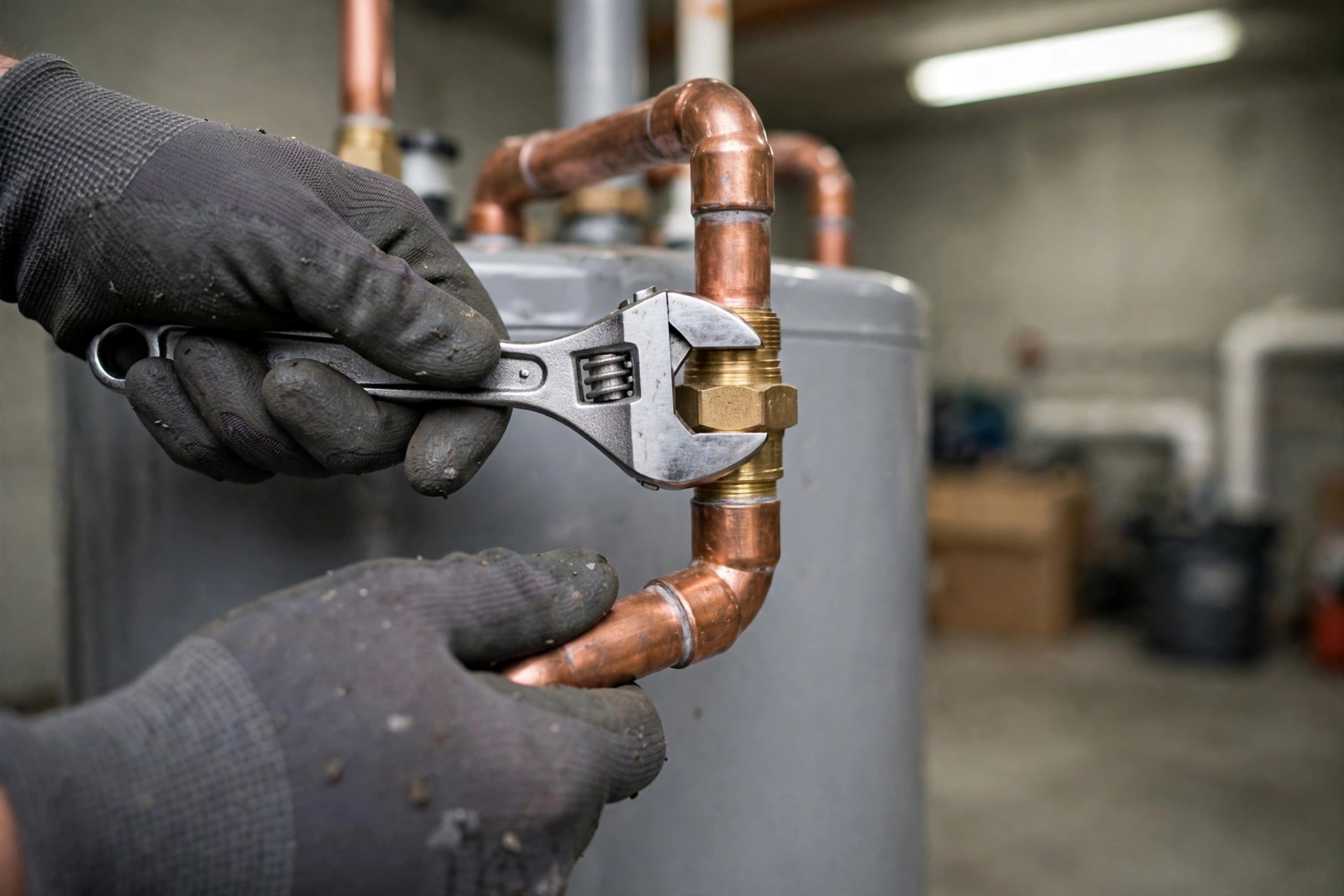
The garage is the default water heater location in Greenwood's single-story homes, and it puts the unit through the region's full temperature range. Summer heat bakes the controls and wiring. Winter cold snaps threaten exposed supply lines, and every few years a real freeze reminds the whole Permian Basin that garages are not insulated living space. We have replaced plenty of burst supply lines after February cold fronts.
Proper installation handles both extremes: insulated pipe runs on anything exposed, correct clearances from stored items and vehicles, a drain pan where the garage abuts living space, and combustion air that is not fighting the garage door opener for oxygen. On replacements we verify all of it, because a surprising number of builder installs cut corners you cannot see until something fails.
Winter preparation is worth a yearly reminder in Greenwood. Before the first hard freeze, check that exposed pipes on the garage unit are insulated and that the garage door seals reasonably well. During an actual freeze, opening the garage-side hot tap to a trickle can keep water moving through vulnerable runs. These are small habits, but they are what separate the homes that sail through February from the ones calling us about burst lines.
Tankless Conversions in Growing Neighborhoods
Greenwood is where we do some of our most satisfying work: converting a struggling builder-grade tank to a tankless system and watching a family's hot water problems disappear. The conversion needs three things done right. Gas line sizing, because tankless burners draw far more gas at peak than a tank burner. Venting, because most tankless units need dedicated sealed venting, not the old tank's flue. And water treatment planning, because Greenwood's minerals will scale a heat exchanger fast without descaling valves and a maintenance plan.
Done right, a tankless unit gives a Greenwood household endless hot water, lower standby losses, and a wall-mounted unit that frees up garage floor space. We handle the full conversion, from gas and vent work to the first descaling schedule, and we service what we install.
One caution about tankless in hard water: the manufacturer's warranty often assumes a maintenance schedule, and skipping descaling can void coverage on the heat exchanger. We set every Greenwood tankless customer up with isolation valves and a descaling reminder, and we keep the service records that protect the warranty. It is part of doing the conversion properly rather than just hanging the unit and leaving.
Related: tankless water heater installation, water heater service in Midland
A Maintenance Plan That Fits Newer Homes
The cheapest water heater is the one you already own, kept alive with basic maintenance. For Greenwood's relatively young tanks, a simple routine pays for itself many times over: an annual flush to keep sediment soft and removable, an anode check every two to three years, and a quick look at the relief valve, pan drain, and gas or electrical connections during the same visit.
We offer scheduled maintenance visits across Greenwood, and we will put your unit on a reminder cycle so the flush does not slip to year four. It is a small appointment that prevents the two most common Greenwood service calls: the rumbling tank and the dead element.
We also keep an eye on the expansion tank during maintenance visits, since Greenwood's newer homes almost always have closed plumbing systems with pressure regulation. A failed expansion tank lets pressure spike every heating cycle, which beats up the relief valve and every fixture in the house. Testing it takes a minute and it is included in our maintenance routine.
- Annual flushing before sediment hardens into scale
- Anode rod replacement on the West Texas schedule
- Relief valve and drain pan checks
- Reminder scheduling so maintenance never slips
Related: water heater service in Midland, water heater service in Odessa, water heater service in Stanton
 Water Heater Questions in Greenwood?
Tell us what your unit is doing and where you are, and we will help arrange the next step.
My Greenwood home is only eight years old. Why is the water heater already struggling?
Builder-grade tanks in hard water start losing efficiency within a few years without flushing. Sediment insulates the burner, recovery slows, and a growing family outpaces the tank's capacity. A service visit will show whether maintenance or replacement is the right move. The manufacture date on the rating plate tells us the tank's real age, which sometimes differs from the home's age if the builder installed old stock.
Is it worth switching from a tank to tankless in Greenwood?
For households that run out of hot water regularly, usually yes. Tankless removes the capacity limit entirely. The conversion needs proper gas sizing, venting, and a descaling plan for Greenwood's minerals, which we handle as part of the install. Tankless units also avoid the standby heat loss of a tank sitting in a hot garage all summer, which trims operating costs in Greenwood's climate.
How do I stop the rumbling noise from my water heater?
The rumbling is sediment boiling under the burner. A professional flush often quiets it if the sediment has not hardened. If flushing does not resolve it, the buildup may be too advanced and replacement becomes the practical option. If the noise started recently and the tank is under eight years old, a flush has good odds of quieting it, but the longer sediment has been baking, the lower those odds get.
Do you service the subdivisions along Highway 80?
Yes, we cover the full Greenwood area including the Highway 80 corridor, the neighborhoods near the schools, and the newer developments spreading east. Request service to schedule a visit. Same-day arrival windows are confirmed before we roll, so you are not waiting around. If your street is in one of the newest phases, just mention the subdivision name when you request service and we will find you.
Should new homeowners in Greenwood get a water softener?
It is worth serious consideration. Greenwood's water is very hard, and a softener protects not just the water heater but every fixture and appliance in the home. We can discuss options during a service visit. Beyond the heater, softened water extends the life of dishwashers, washing machines, and fixtures, and it cuts down on the spotting and scale that hard water leaves everywhere.
Water Heater Questions in Greenwood, Answered
Not seeing your question? Request service and tell us what your unit is doing.
Call (432) 321-0116
 Hot Water, Handled
Water Heater Repair in Greenwood
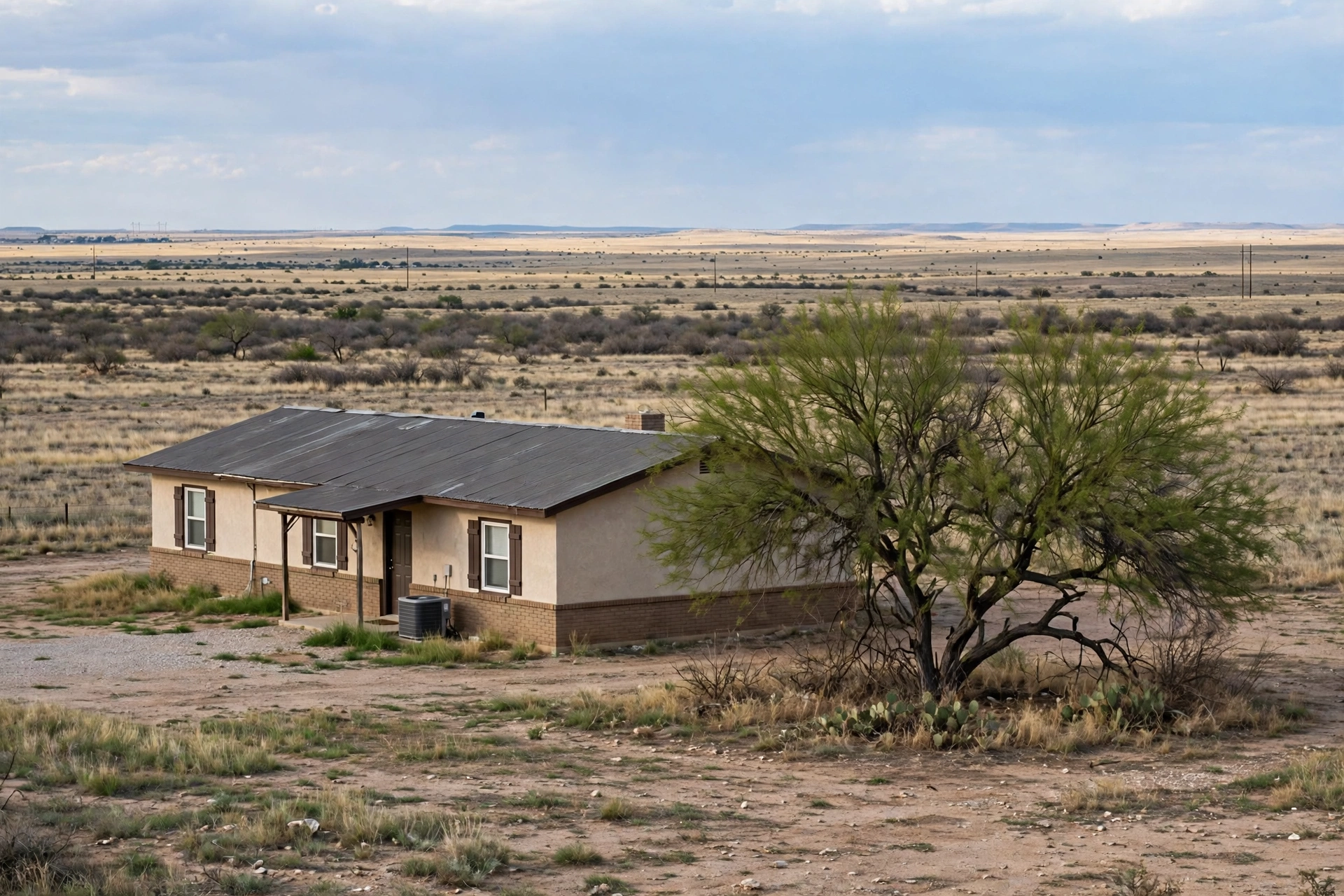
Greenwood is one of the fastest-growing residential areas east of Midland, full of new construction where builders chose the water heater, not the homeowner. We help Greenwood residents take control of their hot water with repairs, right-sized replacements, and tankless upgrades. Request service for fast, straightforward help anywhere in the Greenwood area.