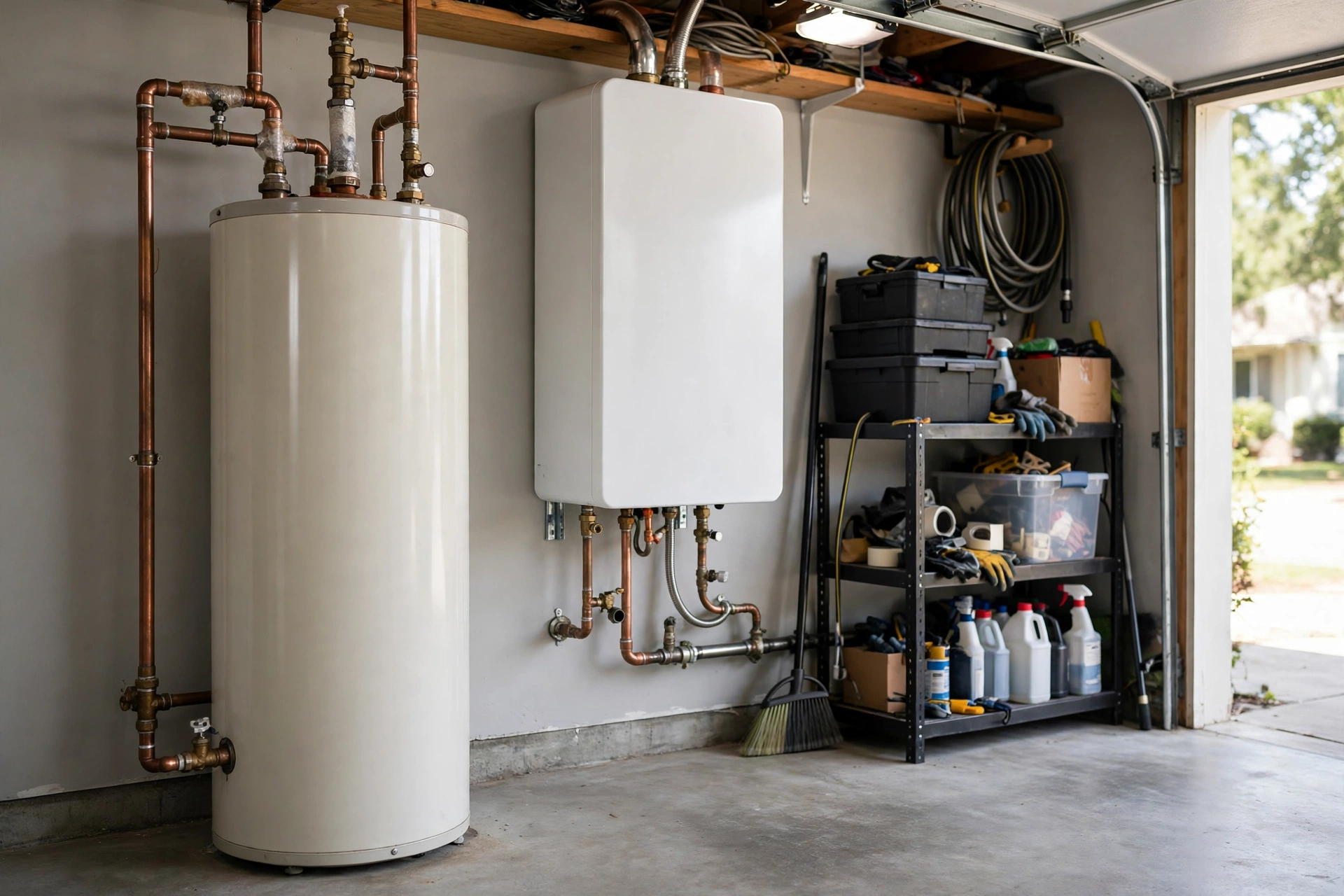
Tank vs Tankless Water Heaters in Midland, TX
Tank water heaters cost less up front and handle Midland hard water with simple yearly flushing. Tankless unit…
Learn moreIf your water heater was installed when your kids were small and they are teenagers now, you are probably wondering how much time it has left. The national averages you read online assume average water, and Midland water is not average. Mineral content here runs high, and that changes the math.
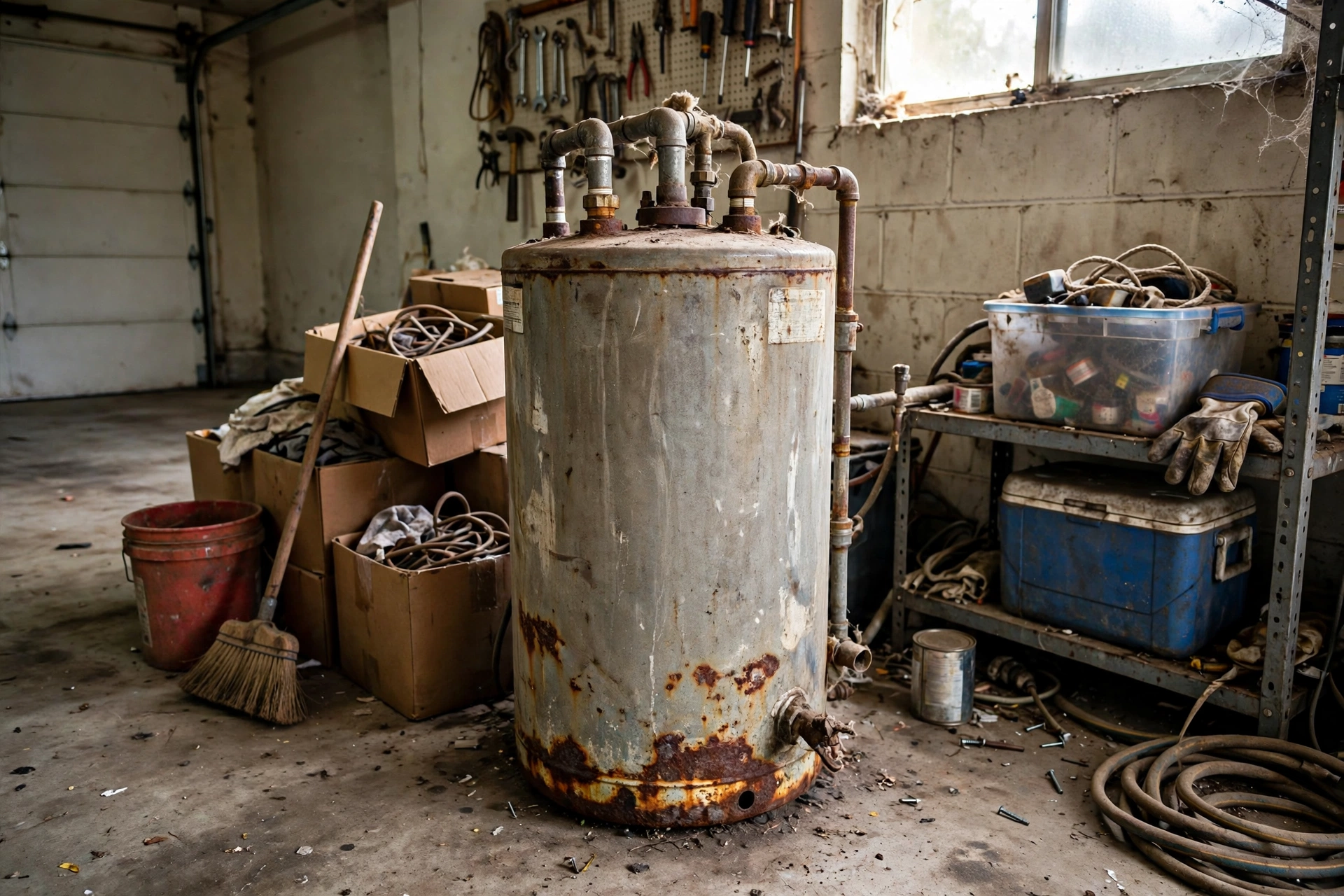
This guide breaks down realistic lifespans for tank and tankless heaters in Midland, TX, what wears them out fastest in West Texas conditions, and the maintenance steps that buy you extra years. If your unit is aging and acting up, our water heater repair page explains what we check during a service visit.
A conventional storage tank water heater usually lasts 8 to 12 years in Midland. Units at the lower end of that range are almost always the ones that never got flushed. Tankless water heaters last longer, generally 15 to 20 years, because they have no tank of water sitting under constant scale attack, but they demand yearly descaling in this region.
Heat pump and hybrid water heaters fall somewhere in the middle. They typically last 10 to 15 years, with the compressor and fan components being the parts that eventually give out rather than the tank itself. Our water heater installation page covers the options if your current unit is near the end.
Write the installation date on the side of the tank with a permanent marker and keep the manual nearby. Most homeowners guess the age wrong by years, and knowing the real number makes every repair-or-replace decision easier. A quick photo of the rating plate stored on your phone works just as well.
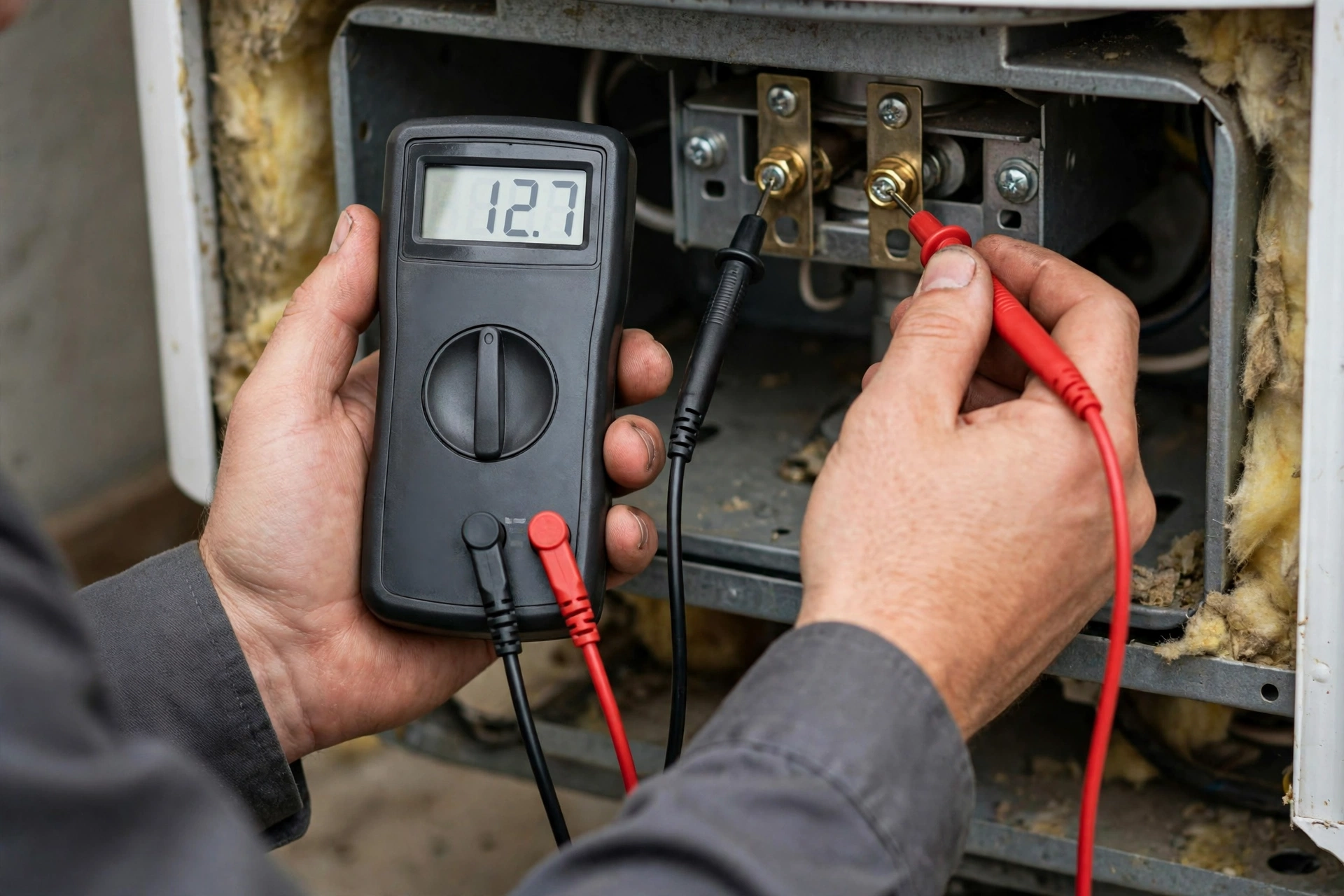
Midland draws on water sources that carry heavy loads of dissolved calcium and magnesium. Every time your heater warms a tank of water, some of those minerals precipitate out and settle to the bottom as sediment. Over years that sediment layer insulates the tank floor from the burner on gas units, forcing longer burn cycles and overheating the steel, which accelerates tank fatigue.
On electric units the sediment buries the lower heating element, which then runs hotter and burns out early. Replacing an element is cheap and routine, but a tank floor weakened by years of hot spots cannot be fixed. Our water heater maintenance page lists the yearly service that prevents exactly this damage.
A whole-home water softener reduces scale formation and can stretch tank life noticeably, though it does not eliminate the need for flushing. Softened water still carries minerals, just fewer of the ones that form hard scale. Many Midland homeowners pair a softener with the yearly flush for the best of both.
Gas water heaters in Midland often land at the shorter end of the range, roughly 8 to 10 years, because sediment attacks the hottest part of the tank directly above the burner. Electric units with two elements can reach 10 to 12 years if elements are replaced when they fail instead of being left dead, which forces the remaining element to do double duty.
Gas units have one maintenance advantage: the burner and flue are simple and the parts are inexpensive. Electric units have fewer combustion concerns, which matters in tight closets. Either type benefits enormously from the flush schedule in our sediment flush guide.
The two highest value habits are draining sediment once a year and replacing the anode rod when it is consumed. Together they address the two ways a tank dies in West Texas: overheating from sediment and corrosion from unprotected steel. A water heater that gets both will routinely outlast one that gets neither by several years.
Testing the temperature and pressure relief valve once a year and keeping the thermostat at 120 degrees also matter. Higher temperatures speed mineral precipitation and raise energy use. Our maintenance checklist covers the full yearly routine in one place.
A professional tune-up once a year bundles the flush, anode check, valve test, and burner inspection into one visit. It catches small problems like weeping valves before they become big ones. Think of it as an oil change for the hardest-working appliance in the house.
Once a tank passes 10 years old, compare the cost and risk of a repair against replacement. A failed thermocouple on a 9 year old heater is worth fixing. A leaking tank seam on a 12 year old heater is not, because patching a tank buys weeks at best.
Tankless units have a gentler curve. A 12 year old tankless heater with a scale-related error code may just need descaling, which is normal maintenance, not a death sentence. See our tankless descaling guide for what that service involves.
 Want Water Heater Guidance for Your Home?
Read the guide, then describe your water heater problem and we will help arrange the next step.
About 8 to 12 years for a tank unit and 15 to 20 years for a tankless unit, assuming basic maintenance. Neglected tanks in hard water can fail as early as 6 to 8 years.
Yes. Mineral scale insulates the tank floor, overheats the steel, and buries heating elements. Annual flushing is the single best defense in West Texas.
Check the rating plate for the serial number. Most manufacturers encode the month and year in the first few digits, and the manual explains the format.
Not automatically, but start planning. A proactive replacement during a scheduled visit beats an emergency swap after a tank floods the garage.
Tank water heaters cost less up front and handle Midland hard water with simple yearly flushing. Tankless unit…
Learn more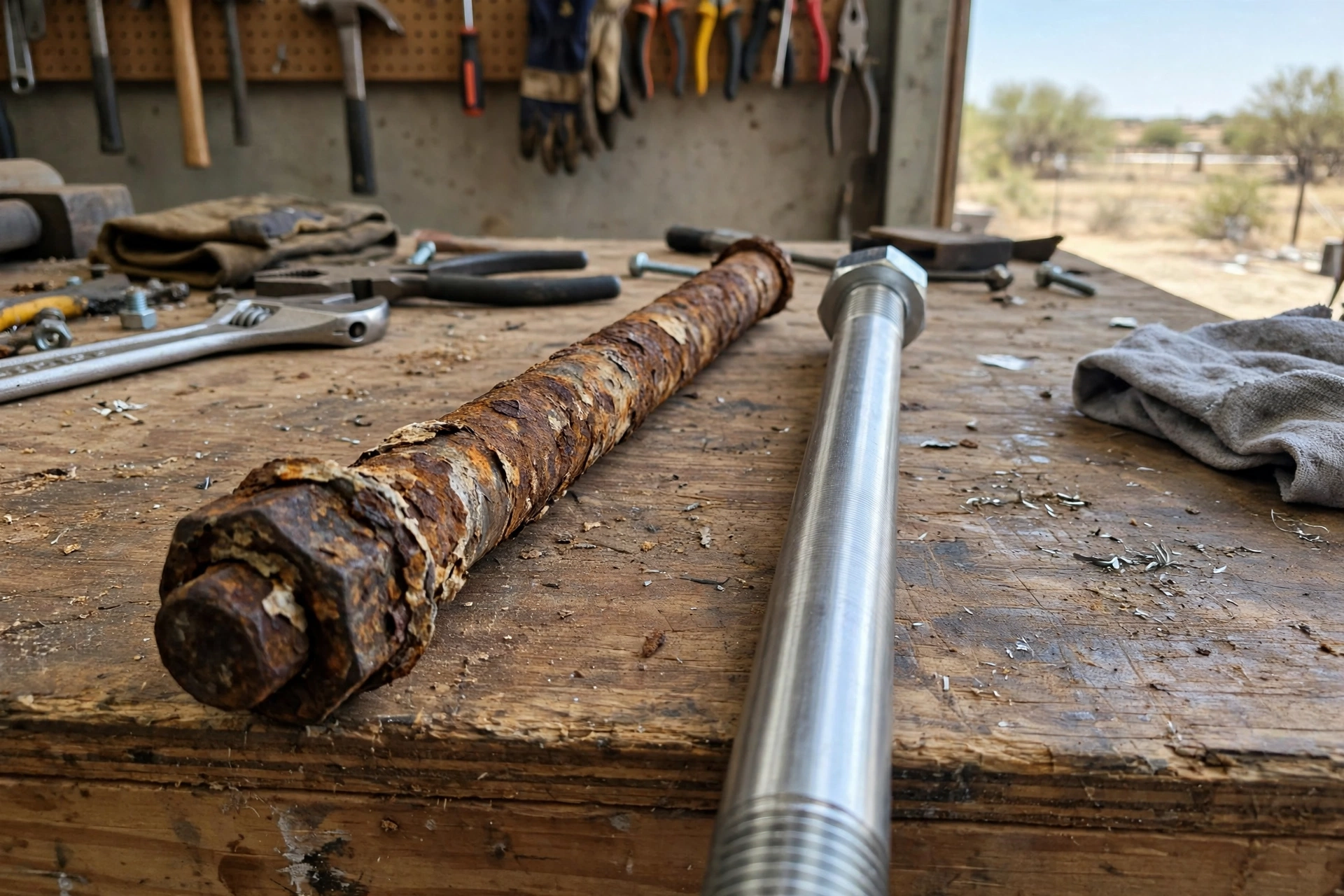
The anode rod is a sacrificial metal rod inside your water heater that corrodes so the steel tank does not. In…
Learn more
Midland winters bring occasional hard freezes that can burst exposed water heater pipes and damage tankless un…
Learn moreHot Water, HandledA standard tank water heater in Midland typically lasts 8 to 12 years, while a tankless unit can run 15 to 20 years with proper care. The hard water common across West Texas is the biggest factor that cuts life short, since mineral scale builds up on the tank floor and heating elements. Annual flushing and anode rod checks are the two habits that keep a Midland water heater at the top of that range.